
Most people think a sharp musical ear comes from talent or long hours of practice. With this belief, one can barely make any progress because musical hearing can be improved through short daily habits. In the following, we will explain how only two minutes of practice can train the ear to notice important musical details, such as pitch, rhythm, tone, and timbre.
Start With Focused Listening
By ‘a musical ear’, we mean the ability to recognize sound patterns, which helps you hear when notes clash and catch timing errors. It also improves songwriting, performance, and music listening skills.
The first step to improve is focused listening. To do this, simply choose a short piece of music, whether a beat or an instrumental section and play it once.
Having a listening ear requires you to be curious about things like what instrument starts the piece? When does the rhythm change? Does the melody rise or fall? The purpose of doing this is to prompt your awareness.
Moreover, doing this trains you to recognize music’s structure while also cultivating the ability to listen with intention.
Two minutes of active listening builds an attention for music, and over time, your ear starts to catch details without much effort.
Train Pitch Recognition Through Comparison
Although pitch training sounds complex, it is actually not that difficult. You can practice pitch catching through comparison. For instance, play two notes or two short sounds and try to distinguish between them.
- Play one note, then another, and listen to how they differ. After doing this, pay attention to the change without worrying about names or scales.
- Apps and instruments help, but they are not required because the main focus is on your voice.
- Here, the primary focus is on the direction of the notes. This simple habit improves pitch sense.
After a month of training, your ear adjusts to the contrast between sounds, and just two minutes of this exercise per day makes you better at it.
Isolate One Sound Layer
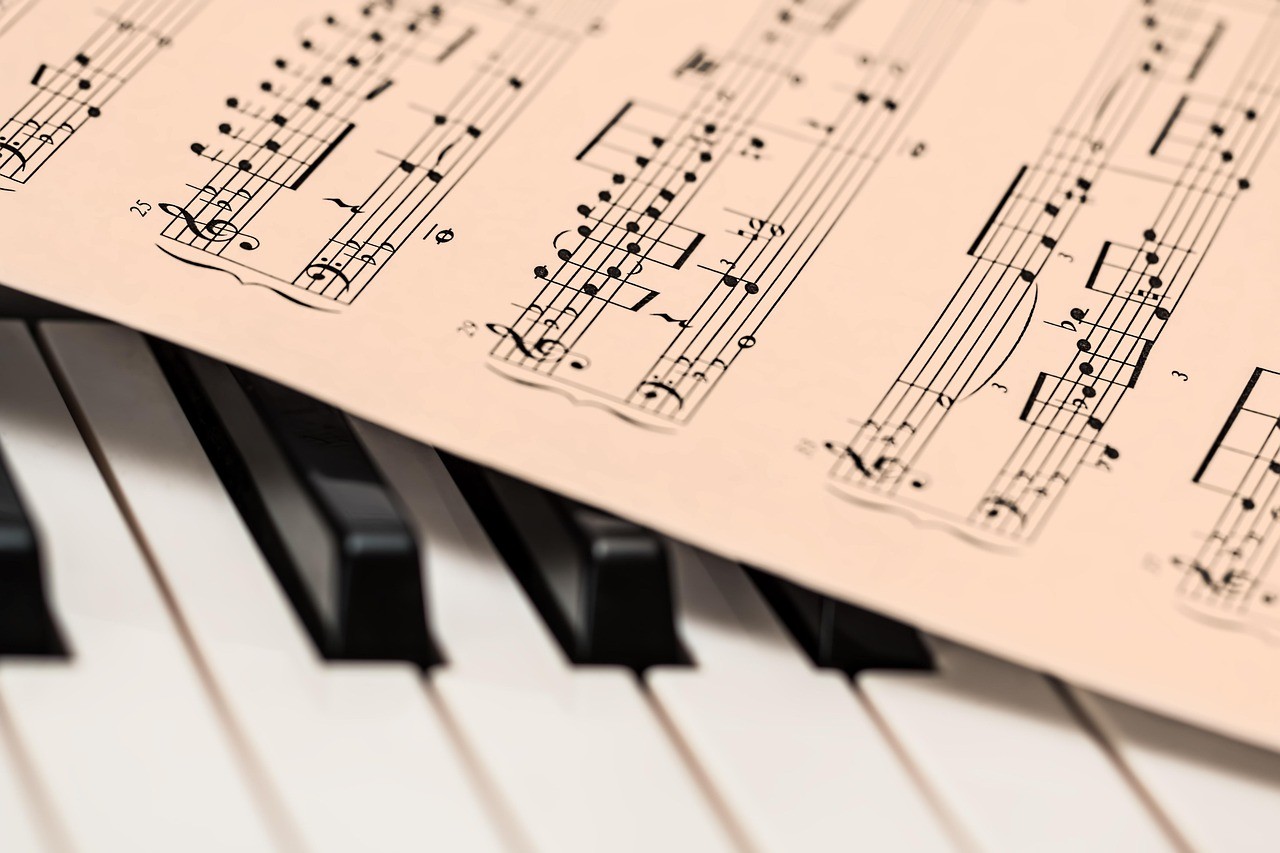
Music contains many sounds at once, and an untrained ear hears the combinations (chords) as one sound. To isolate these different parts, choose a single element and listen only to it; the ear learns to filter noise and lock onto detail.
This skill matters because musicians and listeners begin to hear structure rather than blur, and they pay attention to how the parts interact. That clarity supports better judgment and performance.
Sing Back Short Phrases
Another way to develop a sharp musical ear is to sing back short phrases. The goal here is to remember the elements and reproduce them with a lesser amount of repetitions.
Singing back trains memory and pitch sense at once.
Clap and Count Rhythm
Many people enjoy music and move to it, but they rarely test the accuracy of their timing. Clapping and counting help you pay attention to the beat and learn to flow along.
- By clapping along to a short track and counting the beats, you force your body to follow the music’s timing.
- This way, you start to notice strong beats, pauses, and shifts, which help to sharpen control, so you know whether you rush ahead or fall behind the beat.
- Over time, this builds an internal sense of timing. It builds a strong connection between sound and movement, improving musical awareness quickly.
Because it only uses your body, the training can be done anywhere.
Build the Habit, Not the Session
The main trick in this exercise lies in the habit. With a daily consistency of 2 minutes, you can go a long way toward becoming a pro at listening to music. Choose one exercise per day and rotate them through the week. Keep it simple.
At the start, it may feel slow. However, it adds up, and you begin to hear harmony clearly, and can detect when an artist makes an error.
Final Thoughts
A sharp musical ear does not necessarily come from long practice sessions or expensive tools; it is rather connected with a combination of active listening, repetition, and patience. Two minutes a day is enough when you are fully focused.
By listening with intent and recalling sound through voice or movement, you train your brain to hear more clearly and over time, this habit reshapes the way you experience music.